Recycling and Sustainability at North Woolwich Storage
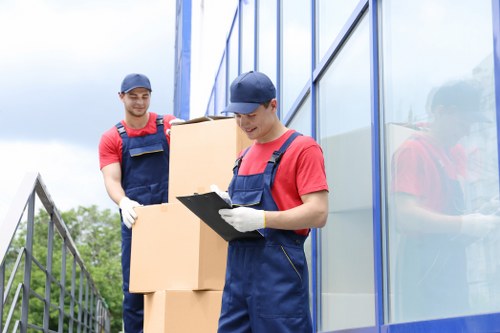 At North Woolwich Storage, sustainability is part of how the facility operates every day. Our approach to recycling in North Woolwich is built around practical waste sorting, careful material recovery, and a continued focus on reducing what goes to landfill. We aim to support customers who want a storage solution that aligns with modern environmental expectations, while also keeping our own footprint as low as possible. Through a combination of responsible waste handling, efficient transport, and community-minded partnerships, North Woolwich storage services can play a positive role in the local circular economy.
One of our key goals is a recycling percentage target of 85% for suitable operational waste, with a long-term ambition to increase this where facilities and material streams allow. This target covers common site materials such as cardboard, plastic wrap, pallets, metal offcuts, and office paper. We also encourage reusable packaging choices wherever practical, because preventing waste is just as important as recycling it. By focusing on separation at source, the North Woolwich Storage recycling process becomes more efficient and less reliant on mixed-waste disposal.
 Our local waste management activity is shaped by the systems used across Newham, Greenwich, Tower Hamlets, and neighbouring boroughs, where waste separation and recycling collection standards continue to evolve. That borough-level emphasis on sorting recyclables into clearer streams helps reduce contamination and improve recovery rates for paper, plastics, glass, and metals. We support those efforts by keeping internal waste segregation straightforward and well labelled, which makes it easier for materials to be sent to the correct processing route. In practice, that means separating general waste from recyclables before anything leaves the site.
Local Transfer Stations and Responsible Routing
To keep movement efficient and emissions lower, North Woolwich Storage makes use of local transfer stations and nearby waste-processing routes. These facilities are a vital part of the waste chain because they consolidate materials for sorting, baling, and onward shipment to licensed recovery centres. Using shorter collection routes can help reduce fuel use, vehicle miles, and congestion impacts, especially in an area where road access and delivery timing matter. For our North Woolwich storage sustainability approach, this local routing is a practical way to support lower-carbon operations while maintaining high standards of compliance.
We look for licensed facilities that can handle a range of common storage-related waste streams, including wooden pallets, cardboard, shrink wrap, furniture components, and metal shelving parts. Where possible, we prioritise transfer stations that support material recovery rather than simple disposal. This helps ensure that items leaving the site have the best chance of being reprocessed into new products. It also supports a broader recycling-led model that values reuse, repair, and recovery before final disposal is considered.
 In areas such as East London, local authorities often encourage households and businesses to separate waste into distinct categories, and that culture has influenced how we organise our own handling procedures. For example, paper and card are kept clean and dry, plastics are bagged separately, and metals are isolated when identified. These small steps reduce contamination and improve the quality of materials sent from the North Woolwich storage recycling stream. The outcome is a more reliable process that fits with the wider borough approach to responsible waste separation.
Partnerships with Charities and Reuse Organisations
Another important part of our sustainability work is partnering with charities and reuse organisations that can give items a second life. Not every unwanted item needs to become waste; many goods can be repaired, refurbished, or redirected to people who need them. We support this by identifying suitable items for donation where safe and appropriate, including office furniture, shelving, household goods, and non-sensitive equipment. These partnerships help reduce disposal volumes and promote a more circular economy in and around North Woolwich.
Charitable reuse is especially valuable when customers are clearing storage units after a move, downsizing, or business transition. Rather than sending usable goods straight to a transfer station, items with remaining life can be passed on for community benefit. This is a simple but meaningful way to strengthen sustainability outcomes. It also reflects an eco-conscious storage mindset: if an item can be reused, it should be considered before recycling or disposal. Our team works carefully to separate donation-suitable items from true waste streams so each material follows the most appropriate route.
 We also recognise that textiles, books, toys, and small electrical items often require different handling depending on their condition and category. Where charity partners accept them, these items can be reused directly or prepared for resale and redistribution. When they cannot be donated, we look for suitable recycling channels. This balanced approach helps ensure that North Woolwich Storage sustainability efforts are not limited to one material type, but instead support a broad range of reuse opportunities.
Low-Carbon Vans and Efficient Collections
Transport is a major part of any storage and removals operation, which is why we are investing in low-carbon vans and more efficient route planning. Where operationally suitable, we aim to use vehicles with improved fuel efficiency and lower tailpipe emissions, helping reduce the environmental impact of collection and delivery activity. Even small gains matter when vehicles are moving regularly across local roads, servicing storage customers, and transporting items to transfer stations or donation partners. This focus on cleaner transport supports our wider recycling and sustainability goals.
Route optimisation is another important element. By planning collections carefully, combining trips where possible, and avoiding unnecessary mileage, we reduce fuel use and make each journey more effective. This works hand in hand with our waste-separation process: when recyclable materials are sorted properly before pickup, collections can be more streamlined and less resource-intensive. The result is a quieter, cleaner, and more efficient service that better fits the environmental expectations of modern North Woolwich storage users.
 Looking ahead, we will continue to improve our recycling performance, strengthen partnerships with local charities, and expand the role of low-carbon vehicles in everyday operations. Sustainability is not a one-time project; it is an ongoing commitment to better decisions, smarter logistics, and responsible material handling. By keeping recyclable streams clean, supporting reuse where possible, and reducing emissions from transport, North Woolwich Storage aims to be a practical example of green storage in North Woolwich that serves both customers and the wider community.